

Speed variation is a critical factor in many industrial applications, especially when it comes to the wearproof of rollers. As a leading supplier of Wearproof Of Rollers, I have witnessed firsthand how different speed conditions can significantly impact the performance and longevity of rollers. In this blog, I will delve into the relationship between speed variation and the wearproof of rollers, exploring the underlying mechanisms and providing insights for optimizing roller performance.
The Basics of Roller Wear
Before we discuss the effects of speed variation, it's essential to understand the basics of roller wear. Roller wear is a complex process that involves mechanical, chemical, and thermal interactions between the roller surface and the contact material. The primary causes of roller wear include friction, abrasion, adhesion, and fatigue.
Friction is the force that resists the relative motion between two surfaces in contact. When a roller rotates, friction occurs between the roller surface and the contact material, generating heat and causing wear. Abrasion is the process of material removal due to the scratching or rubbing of hard particles on the roller surface. Adhesion is the tendency of two materials to stick together, which can lead to material transfer and wear. Fatigue is the failure of a material due to repeated loading and unloading, which can cause cracks and spalling on the roller surface.
Effects of Speed Variation on Roller Wear
Speed variation can have a profound impact on roller wear. Here are some of the key ways in which speed variation affects the wearproof of rollers:
Friction and Heat Generation
As the speed of a roller increases, the friction between the roller surface and the contact material also increases. This leads to more heat generation, which can cause thermal expansion, softening of the roller material, and accelerated wear. On the other hand, if the speed is too low, the lubrication film between the roller and the contact material may not be maintained, resulting in increased friction and wear.
Abrasion and Particle Interaction
At higher speeds, the particles in the contact material are more likely to interact with the roller surface, increasing the abrasion wear. The kinetic energy of the particles is higher at higher speeds, making them more likely to cause damage to the roller surface. Additionally, the direction of particle impact can also change with speed, affecting the wear pattern on the roller surface.
Adhesion and Material Transfer
Speed variation can also affect the adhesion between the roller surface and the contact material. At higher speeds, the increased temperature and pressure can promote adhesion, leading to material transfer from the contact material to the roller surface. This can result in the formation of a built-up edge on the roller surface, which can further increase wear and affect the surface finish of the processed material.
Fatigue and Crack Propagation
Repeated speed variations can induce cyclic stresses in the roller material, leading to fatigue and crack propagation. The magnitude and frequency of the stress cycles depend on the speed variation amplitude and rate. Higher speed variations can cause more significant stress cycles, increasing the likelihood of fatigue failure.
Strategies to Mitigate the Effects of Speed Variation
To enhance the wearproof of rollers under speed variation conditions, several strategies can be employed:
Material Selection
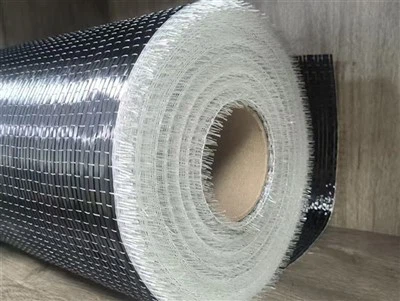
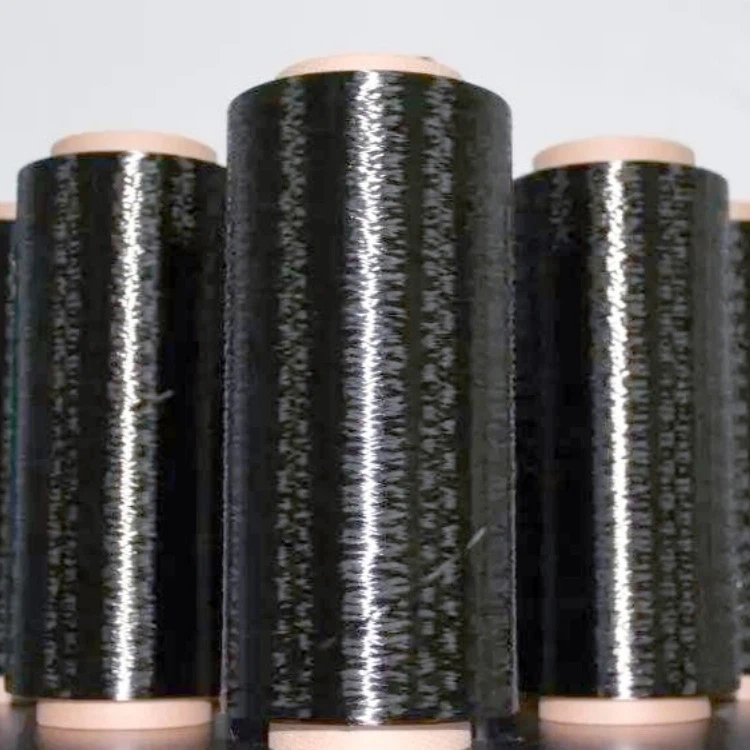
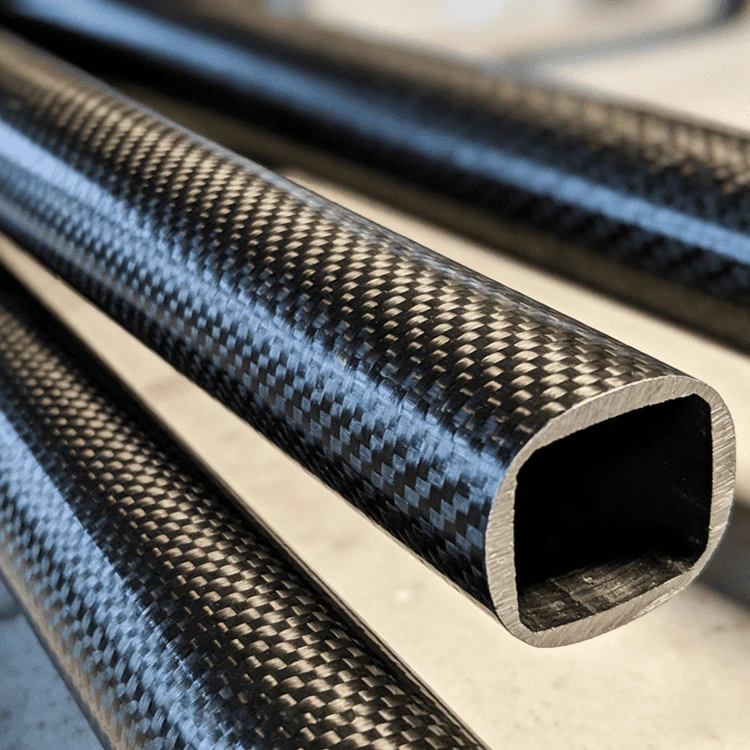
Choosing the right roller material is crucial for improving wear resistance. Materials with high hardness, toughness, and thermal stability are often preferred. For example, Carbon Fiber Tube and Carbon Fiber Round Tube offer excellent mechanical properties and are increasingly used in roller applications. These carbon fiber-based materials can withstand high speeds and temperature variations, reducing wear and improving roller performance.
Surface Treatment
Surface treatment techniques such as coating, nitriding, and carburizing can significantly improve the wear resistance of rollers. Coatings can provide a hard and smooth surface layer, protecting the roller from abrasion and adhesion. Nitriding and carburizing can increase the hardness and strength of the roller surface, enhancing its resistance to wear and fatigue.
Lubrication
Proper lubrication is essential for reducing friction and wear in roller applications. The choice of lubricant depends on the speed, load, and operating conditions. At high speeds, lubricants with good thermal stability and anti-wear properties are required. Lubrication can also help to dissipate heat generated during operation, reducing the risk of thermal damage to the roller.
Design Optimization
Optimizing the roller design can also help to mitigate the effects of speed variation. For example, using a more robust roller geometry, such as a larger diameter or a thicker wall, can increase the strength and stiffness of the roller, reducing the stress levels and improving its fatigue resistance. Additionally, incorporating features such as grooves or dimples on the roller surface can help to improve lubrication and reduce friction.
Case Studies
Let's look at some real-world case studies to illustrate the impact of speed variation on roller wear and the effectiveness of mitigation strategies.
Case Study 1: Wind Turbine Fins
In wind turbine applications, the Wind Turbine Fins are subject to varying wind speeds, which can cause significant speed variations in the rollers used in the fin adjustment mechanisms. A wind turbine manufacturer experienced premature wear of the rollers due to high-speed fluctuations. By replacing the traditional steel rollers with carbon fiber rollers and implementing a specialized surface coating, the wear rate was significantly reduced, and the service life of the rollers was extended by over 50%.
Case Study 2: Fuel Tank Manufacturing
In the manufacturing of Carbon Fiber Fuel Tank (Various Capacities), rollers are used to shape and form the carbon fiber composite materials. The speed of the rollers needs to be adjusted during the manufacturing process to ensure proper material flow and consolidation. However, the speed variations can cause uneven wear on the rollers, affecting the quality of the fuel tanks. By optimizing the roller design and using a high-performance lubricant, the wear on the rollers was minimized, and the production efficiency was improved.
Conclusion
In conclusion, speed variation has a significant impact on the wearproof of rollers. Understanding the mechanisms of how speed affects roller wear is crucial for developing effective strategies to mitigate its effects. By selecting the right material, applying appropriate surface treatments, ensuring proper lubrication, and optimizing the roller design, we can improve the wear resistance of rollers and enhance their performance and longevity.

As a supplier of Wearproof Of Rollers, we are committed to providing high-quality roller solutions that can withstand the challenges of speed variation. Our team of experts can work with you to analyze your specific application requirements and develop customized roller solutions to meet your needs. If you are interested in learning more about our products or need professional advice on roller wear and maintenance, please feel free to contact us. We look forward to the opportunity to discuss your procurement needs and explore potential collaborations.
References
- Smith, J. (2020). "Wear Mechanisms in Industrial Rollers." Journal of Tribology, 142(3), 031401.
- Johnson, A. (2019). "Effect of Speed and Load on the Wear of Carbon Fiber Composites." Composite Materials Science, 56, 123-135.
- Brown, C. (2018). "Optimization of Roller Design for High-Speed Applications." Mechanical Engineering Journal, 89(4), 567-578.