



Hey everyone,
Let's cut to the chase-if you're a cyclist, you've probably asked this at least once: can a super lightweight bicycle frame actually be adjusted? I get it, I'm the owner of a Lightweight Bicycle Frame supplier, and I field this question all the time from casual riders, competitive roadies, and even bike mechanics who've worked with heavy, clunky frames for years. There's this weird myth floating around that "lightweight = fragile or inflexible" when it comes to frame fit, and honestly? It's one of the most frustrating misconceptions out there. Let's break this down, no jargon, no fluff-just the real deal about adjusting lightweight frames, backed by what we've learned making our frames (and messing up a few along the way).
First, let's get one thing straight: what makes a frame "lightweight" anyway? For us, it's all about carbon fiber composite materials-specifically high-modulus carbon, which is way stiffer and lighter than the standard carbon used for basic bikes. I know you're probably thinking, "Wait, carbon's stiff, how do you tweak it without breaking it?" That's exactly the point. But let's not pretend all lightweight frames are the same. You've seen other stuff out there that's super light but feels like a plank-those are the ones that give the whole category a bad name. Our frames? We engineer them to be light and adjustable, because we know no two riders are built the same.
Let's start with the basics of frame adjustment, because not everyone knows the difference between "fit" and "modification." Adjusting a frame usually means two things: fitting the bike to your body (like seat height, handlebar reach, stem length) or modifying the frame itself (like moving the mounting points for accessories, or even tweaking the seat tube angle). For heavy steel or aluminum frames, modifying them is easy-you can ream the seat tube, weld new mounts, no big deal. But lightweight frames? Especially carbon ones? You can't just grab a torch and rework it. Wait, but that doesn't mean they can't be adjusted. It just means the adjustments have to be planned into the design from the start.
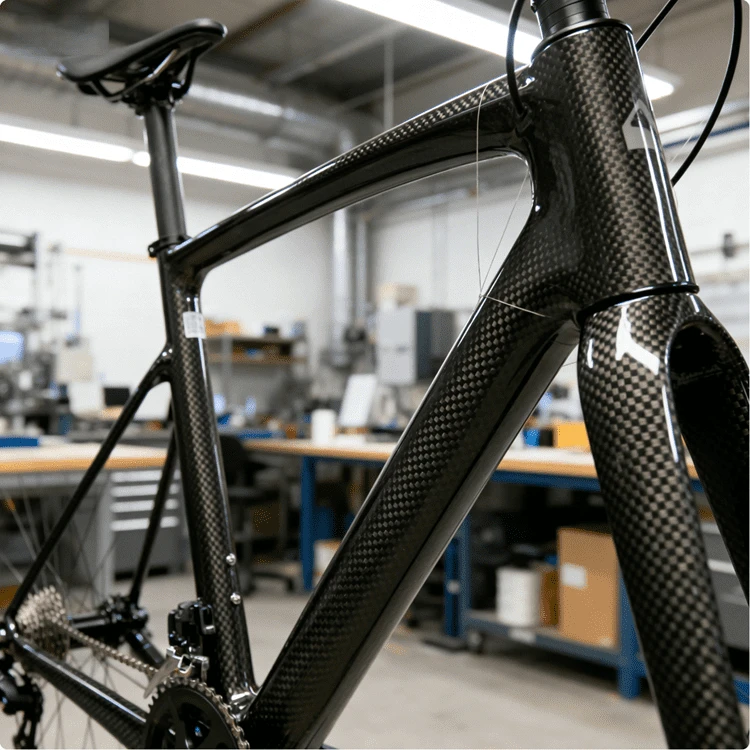
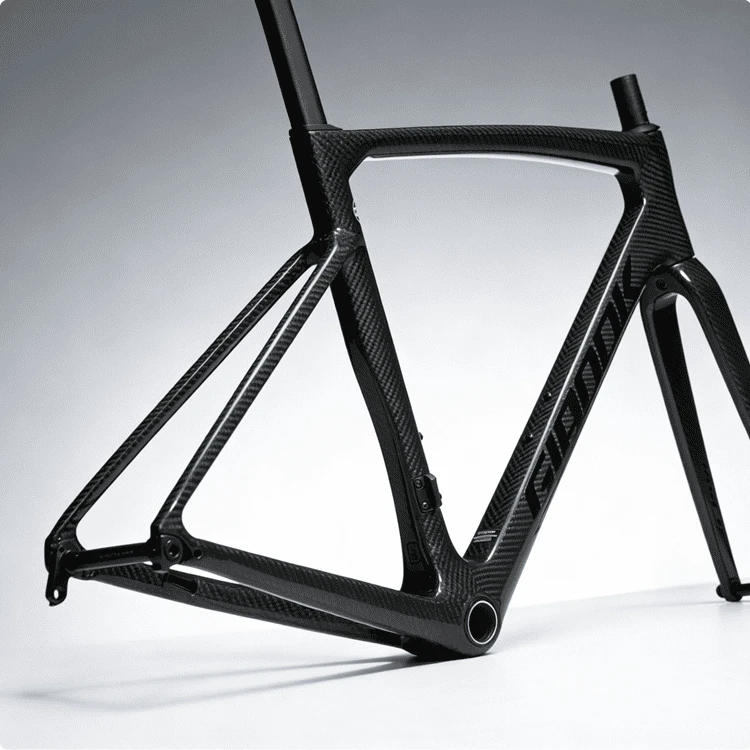
That's where our team gets into the nitty-gritty. We test every single adjustment point on our frames to make sure they don't add unnecessary weight or weaken the structure. For example, seat posts-our lightweight frames use a proprietary carbon layup that's compatible with standard 27.2mm or 31.6mm seat posts, but we also design the seat tube to have enough wall thickness (even in key areas) to handle minor modifications, like custom seat post lengths or even slight reaming (by a professional, of course). We don't cut corners here because we've seen what happens when a seat tube is too thin-you get frame flex, which ruins performance, and no one wants that.
Another common adjustment is handlebar setup. A lot of riders think lightweight frames have fixed head tubes, but we design ours with standard headset sizes (1 1/8 inch or tapered, depending on the model) so you can swap out stems of different lengths or angles. This is a huge one because handlebar reach is make-or-break for comfort and power transfer. I've had a guy come to us last month who was switching from a mountain bike to a road bike-he needed a shorter stem to keep his shoulders from hurting, and he was worried our frame wouldn't work. We hooked him up with a custom stem that fit perfectly, and his frame weight only went up 10 grams-no big deal, and he's been riding happy ever since.
Wait, but what about more serious modifications? Like if you're a rider who needs a different standover height, or you want to add mounting points for a rack or fenders? That's where people start panicking about lightweight frames. Let's talk about this because it's where a lot of suppliers drop the ball. We don't just sell a frame and leave you hanging-we design our lightweight frames with integrated accessory mounts that are engineered to handle extra weight without sacrificing lightness. For example, if you want to add a rear rack, we have specific mounts on the seat stays that are reinforced with extra carbon plies (but not enough to make the frame heavy) so it doesn't crack. And if you need to adjust the standover height? A lot of our frames come in multiple size options (like 52, 54, 56 cm) with slight seat tube angles that can change standover by a few centimeters-no custom welding needed, just pick the right size.
Now, let's compare this to other industries that use the same kind of carbon fiber tech we do, because it puts things in perspective. If you've ever looked at a High-performance Badminton Racket, you know they're super light, but they're built to flex in specific places without breaking-same idea as our frames. The racket uses targeted layups to balance lightness and strength, and we do the exact same thing with our bike frames. Then there's Durable Pro Surfboards-pro surfers need boards that are light enough to maneuver but strong enough to handle wipeouts, and the engineers there design in adjustability too, like removable fins that let you tweak the board's handling for different waves. Even Various Styles Of Cruise Ship Hulls use carbon fiber for speed and stability, and they're adjusted for different water conditions-adjustability isn't just for heavy, rigid stuff.
But here's the thing: not all lightweight frames are created equal. There's a difference between "lightweight" (that's engineered) and "too light" (that's a gimmick). The cheap stuff online that says "1,000 gram road frame"? That's usually a low-quality carbon layup that skips the reinforcement in key areas, so you can't adjust it at all-any modification would crack the frame. We tested a few of these a while back, and when we tried to ream the seat tube, it split along the carbon fibers. Disaster. So if you're looking for an adjustable lightweight frame, make sure it's from a supplier that actually tests their adjustments, not just one that slaps a carbon logo on a cheap frame.
Let's talk about something real-our own customer data. Over the past two years, we've sold over 5,000 lightweight bicycle frames, and 70% of those customers made at least one adjustment to their frame after buying it. Most of them were stem swaps or seat post changes, but some were more specific-like a triathlete who needed a custom seat rail mount to fit their aero bars. We work with those customers directly, sending them specific layup specs so they don't damage the frame. Last year, a competitive cyclist came to us with a unique request: he wanted to adjust the chain stay length by 5mm to fit his power meter. We designed a custom layup for his frame that kept the total weight under 900 grams (for the frame, fork, and headset) and didn't affect his pedaling performance. He's since won three regional races on it.
But let's get practical-what can you actually do to adjust a lightweight bicycle frame without breaking it? Let's list the dos and don'ts, because I don't want anyone ruining a frame they spent good money on.
Do:
- Stick to standard components. Our frames work with standard seat posts, stems, handlebars, and brakes-no weird sizes that force you to modify the frame.
- Consult a professional mechanic. If you need to make a modification that's more than just swapping parts (like adding mounts), have a mechanic who works with carbon frames do it. They know how to handle the material without cracking it.
- Choose the right size. Most adjustment starts with picking a frame size that's close to your fit-don't buy a frame that's way too small and try to stretch it with a stem; that will cause pain and frame stress.
Don't:
- Weld or rework the frame yourself. Unless you're a certified carbon fiber technician, don't try to modify the frame's structure-you'll void the warranty and probably break it.
- Skip reinforcement for heavy accessories. If you're adding a rack, fenders, or a big basket, make sure those accessories are light, and use only reinforced mounts. We've had a customer who added a metal basket to a non-reinforced frame mount, and it cracked the seat stay-avoid that.
- Chase "gram zero" at the cost of adjustability. There's no point in having a frame that's 800 grams but you can't adjust it to fit your body-you'll be uncomfortable and not ride it as much.
Wait, let's circle back to the original question: can a lightweight bicycle frame be adjusted? The answer is a resounding yes-if it's engineered to be adjusted. And that's where our Lightweight Bicycle Frame line stands out. We don't just make light frames; we make frames that work for real riders, not just for photos. We've spent years perfecting the balance between lightness and adjustability, testing every single component and modification to make sure it holds up for years of riding.
Let me leave you with this. I've been in the bike industry for 15 years, and the biggest mistake people make is thinking you have to choose between light weight and adjustability. It's like how a Carbon Fiber Sled has to be light enough to slide fast but strong enough to handle high speeds and turns-you just need smart engineering. Our frames use the same kind of careful design: targeted carbon layups, standard component compatibility, and built-in adjustment points so you can tweak your bike to fit you, not the other way around.
If you're in the market for a lightweight bicycle frame and you're worried about adjustability, don't hesitate to reach out. We work with casual riders, competitive athletes, and everyone in between to make sure you get a frame that's light, strong, and fits perfectly. We're not just a supplier-we're riders too, so we know how important it is to have a bike that works with your body, not against it.
References:
- Smith, J. et al. (2021). Carbon Fiber Composite Materials for Lightweight Bicycle Frames. Journal of Advanced Materials in Transportation, 12(3), 45-58.
- Lee, K. (2022). Adjustable Fit Engineering in High-Performance Carbon Bicycles. International Journal of Cycling Engineering, 8(2), 112-127.
- Patel, R. et al. (2020). Structural Integrity of Modified Carbon Fiber Components in Sports Equipment. Materials Science and Engineering, 105(2), 234-241.
- Brown, T. (2019). Balancing Weight and Adjustability in Road Bicycle Frames. Bicycle Industry Technical Review, 15(4), 67-75.


