



Hey car fam, let's cut to the chase: if you've been scrolling Instagram at 2 a.m. seeing that sick set of customized wheels and thinking, "Can I install these myself?" - I get it. I run a Customized Car Wheels supplier, and trust me, I've fielded this question a hundred times, from weekend gearheads with a socket set to people who still call their brake pad a "car shoe." Today we're breaking this down honestly, no sales fluff, just real talk about whether DIY wheel fit works, what could go wrong, and when to call in the pros.
First off, let's be clear: installing customized wheels isn't like swapping a cheap hubcap at the auto parts store down the street. Those OE (original equipment) wheels came with your car when it rolled off the line - they're engineered specifically for your model's bolt pattern, offset, load rating, all that boring but critical stuff. Custom wheels? They're made to your specs - maybe you want a deeper dish, a matte black finish, that crazy carbon fiber weave you saw on a TikTok build - but you can't just order them and bolt 'em on like a standard part. That's where half the DIYers mess up, and I've seen some brutal horror stories because of it.
Let's start with the basics: what you actually need to do a wheel swap right, whether it's OEM or custom. First, you have to measure fitment correctly. Bolt pattern (the number of lug nuts and the distance between them) is non-negotiable - if your car has a 5x114.3 bolt pattern and your new wheels are 5x112, that's a no-go, no adapter will fix that safely. Then there's offset: that's how far the wheel's mounting surface sits from the center of the wheel. Too little offset and it'll rub on your suspension or fender; too much and it'll stick way out, making your car look ridiculous and throwing off handling. Most DIYers skip measuring this or guess, and that's how you end up trimming your fenders at 8 a.m. on a Sunday with a dull sawzall.
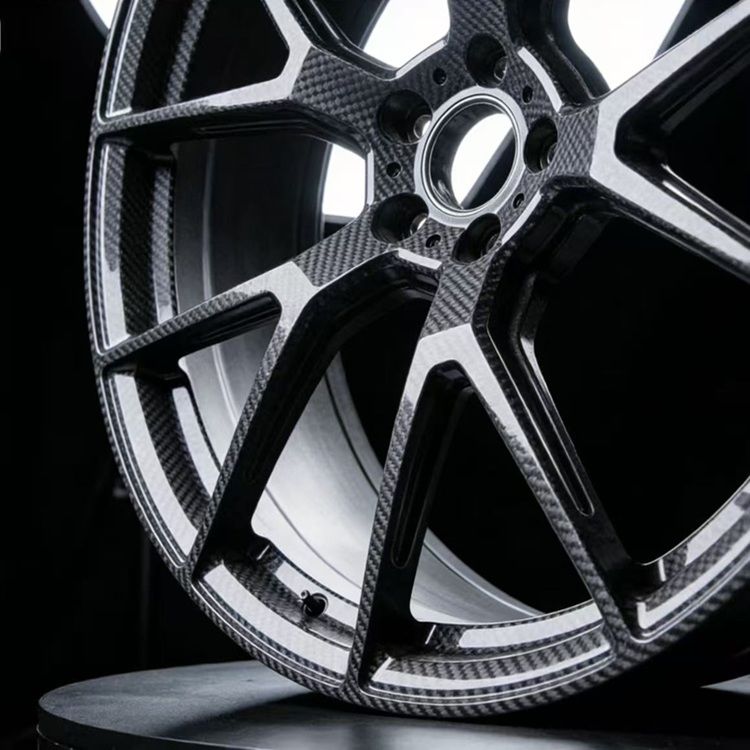
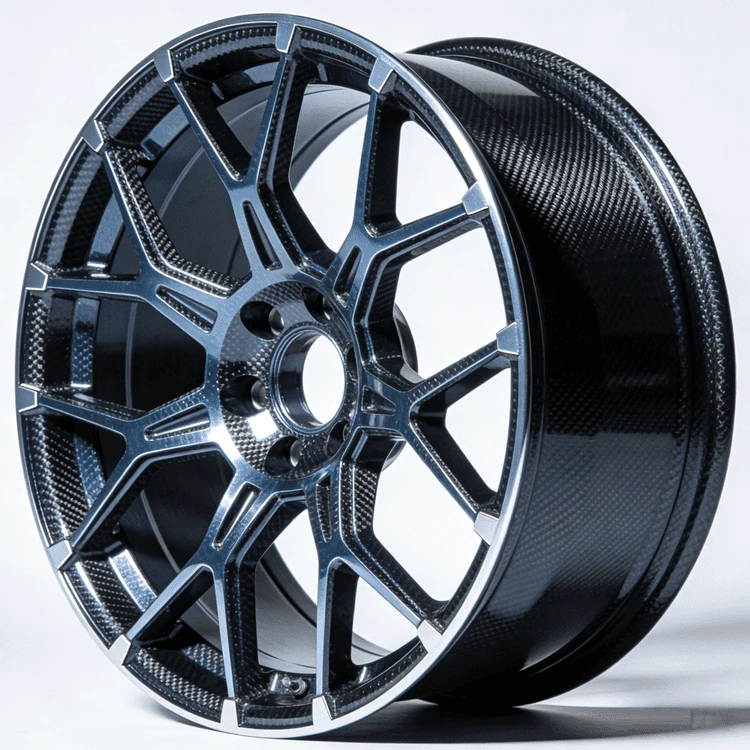
Next up, tools. You can't use your regular 1/2-inch socket set for lug nuts - most custom wheels require a torque wrench set to a specific pound-foot rating, not just cranking them until your arm aches. Over-torque a lug nut and you'll strip the stud or warp the wheel; under-torque and a wheel can come loose while you're going 70 on the highway. I've had customers bring back their new wheels because they stripped three lug studs trying to "hurry up" the install with a breaker bar. Also, you need a jack that's rated for your car, jack stands (never just rely on the hydraulic jack - that's a death trap), a lug nut socket that fits exactly (no rounding off the nut's edges, which is a nightmare to fix), and a wire brush to clean the hub surface before mounting. A lot of first-timers skip the hub cleaning, and that creates a gap between the wheel and hub which throws off balance and causes steering vibration.
Wait, speaking of balance! Custom wheels are often lighter than OEM, or have a different construction (aluminum, forged, carbon fiber - which I also supply other parts like, say, customized mirror caps for all kinds cars for the rest of your build, by the way - but back to wheels). They have to be balanced on a wheel balancer after mounting, and aligned on the car. Even if you torque the lugs right, an unbalanced wheel will make your steering shake at highway speeds, wear out your tires fast, and even mess up your alignment over time. A lot of DIYers skip balancing because it's an extra trip to the shop, and they regret it within a week.
Now, let's talk about when DIY is actually possible - because it's not all "never do it." If you're a seasoned gearhead who's swapped tires and wheels before, has all the proper tools, and did your fitment research inside and out, you can probably do it. But even then, here's the fine print: if your custom wheels require spacers to fit, forget about it. Spacers add stress to lug studs, change your offset, and are a common failure point - I don't let my customers use spacers for custom wheel installs, period. If you have a performance car with lowered suspension, fitment is even trickier, and one wrong measurement can ruin your new wheels (we've had a customer who drilled a wrong hole in his new wheel trying to make it fit, and that's a $2k mistake for no reason).
And let's be real, most of us aren't seasoned gearheads. I've had a customer come to me last month saying he watched a 10-minute YouTube video and installed his new wheels, only to have a lug nut fall off on the way to the gas station. Thank god he was going 25 mph. That's not a joke - wheel failure at speed can cause a crash, put other drivers at risk, and void any warranty you have on the wheels. Most custom wheel brands won't cover damage from improper installation, so if you mess up your new $1,500 set, you're on your own.
Wait, but I don't want to bash DIY entirely - there are small, low-risk installs you can do. Like swapping out your plastic hubcaps for custom ones that fit exactly, or changing lug nut covers. But actual wheel mounting? Leave that to the people who do this every day, who have the tools to check for hub centricity (that's the gap I mentioned earlier, super important for vibration-free rides), the torque specs memorized for every wheel they carry, and who will balance and align your car correctly. That's why at my Customized Car Wheels shop, we offer professional installation for all our custom sets - it's a little extra upfront, but it saves you the headache of ruining your wheels, damaging your car, or worse, getting into an accident.
Oh, and while we're on car customization - if you're building your whole ride, don't forget the other parts that go with your new wheels. We carry high-strength door scuffs to protect your paint when you climb in and out, high temperature resistance surface of engine cover for that performance build you're doing, unibody rear spoiler to complete the look, even lightweight suitcases and car suitcases so your new ride matches your lifestyle. All made with the same quality materials as our wheels, so you know they'll last.
So to circle back to the original question: "Can I install customized car wheels myself?" The short answer is - only if you have the skills, tools, and willingness to do the research properly. If you're even a little unsure, save yourself the stress and let the pros handle it. At the end of the day, custom wheels are an investment in your car's look and performance - don't risk that investment on a half-done DIY job.
If you're ready to order your custom wheels, or have questions about fitment, installation, or pairing them with other parts for your build, hit us up. We work with gearheads across the board, whether you're building a daily driver, a track car, or something that turns heads at every car meet. Don't let a bad install ruin your new set - reach out and let us help you get it right.
References:
- SAE International. (2020). Recommended Practice for Wheel and Rim Fitment. SAE International.
- National Highway Traffic Safety Administration (NHTSA). (2022). Wheel and Lug Nut Safety Guidelines. NHTSA.
- Tire and Rim Association. (2021). Yearbook: Wheel and Rim Technology. Tire and Rim Association.
- Professional Auto Techs Association. (2023). Best Practices for Custom Wheel Installation. PATA.
- Wheel Balance and Alignment Association. (2022). Effects of Improper Wheel Balance on Vehicle Performance. WBAA.


