


If you've ever worked in industries like mining, construction, material handling, or manufacturing, you know that rollers are the unsung heroes of operations. They keep conveyor systems moving, guide materials through production lines, and support heavy loads-all while enduring constant friction, impact, and wear. For nearly a decade, our team has specialized in Wearproof Of Rollers, delivering solutions that extend roller lifespan, reduce downtime, and cut maintenance costs. As we navigate 2024 and beyond, the wearproof roller industry is evolving rapidly, driven by technological innovations, shifting market demands, and a growing focus on sustainability. In this post, we'll break down the key trends shaping the future of wearproof rollers, and why partnering with a specialized supplier like us will help your business stay ahead.
1. Shift to Advanced Composite Materials Over Traditional Steel
For years, steel was the go-to material for rollers due to its strength and low cost. But it's heavy, prone to rust, and wears out quickly in abrasive environments-costing businesses thousands annually in replacement parts and labor. Today, the industry is moving toward composite materials, with carbon fiber leading the charge. Carbon fiber offers a unique combination of high strength-to-weight ratio, corrosion resistance, and abrasion resistance that outperforms steel in most wear applications.
Why does this matter? Carbon fiber rollers can last 3–5 times longer than steel rollers in high-abrasion settings, like mining or bulk material handling. They're also lighter, which reduces energy consumption for conveyor systems- a huge win for operations running 24/7. Our team has invested heavily in refining carbon fiber formulations for rollers, balancing flexibility and rigidity to handle both heavy loads and repeated friction. To put carbon fiber's versatility in context, the same material we use for our wearproof rollers is also used in high-stakes industrial applications like Carbon Fiber Fuel Tank (Various Capacities) and High Safety Helmets-products that demand unmatched durability. This expertise in carbon fiber engineering directly translates to better roller performance for our customers.
2. Smart, Sensor-Integrated Rollers for Predictive Maintenance
Gone are the days of reactive maintenance-fixing rollers only after they fail. The next big trend in wearproof rollers is the integration of Internet of Things (IoT) sensors, turning passive rollers into active monitoring tools. These sensors track metrics like temperature, vibration, and rotation speed, sending real-time data to facility managers. This allows teams to predict wear before it causes a breakdown, schedule maintenance during planned downtime, and avoid costly production halts.
For example, in a coal mining operation, a single conveyor failure can stop production for 12+ hours, costing upwards of $100,000. Smart rollers equipped with wear sensors can alert managers when a roller is approaching its end of life, letting them replace it during a scheduled shift change. This isn't just a concept-we're already testing prototype sensor-integrated rollers with several large manufacturing clients, and the feedback has been transformative. We've found that combining these sensors with our Wearproof Of Rollers technology creates a holistic solution: the roller itself is built to resist wear, and the sensor ensures you never miss a maintenance window. This blend of durability and smart technology is becoming a non-negotiable for industries that prioritize uptime.
3. Customization for Hyper-Specific Application Needs
One size rarely fits all when it comes to wearproof rollers. A roller used in grain handling faces vastly different wear conditions than one used in steel mill rolling lines-different material abrasiveness, load weights, and environmental factors (like dust, moisture, or extreme temperatures). As a result, the industry is moving away from one-size-fits-all roller designs toward hyper-customized solutions.
At our company, we've always focused on customization, but this trend has accelerated over the past two years. Clients now come to us with unique challenges: a solar panel manufacturer needed rollers that wouldn't scratch delicate glass substrates; a logistics firm wanted rollers with low friction to speed up package sorting; a waste recycling plant needed rollers resistant to corrosive chemicals. To meet these needs, we're working with material science experts to develop specialized coatings, surface textures, and hybrid composite blends. For instance, we can adjust the carbon fiber composition of our rollers to be stiffer for heavy loads or more flexible for curved conveyor systems. This level of customization was unheard of a decade ago, but today it's a standard expectation- and it's driving better performance and cost savings for every client.
4. Sustainability as a Core Design Principle
Sustainability isn't just a buzzword in the wearproof roller industry-it's a requirement. Businesses are under increasing pressure to reduce their carbon footprint, minimize waste, and use circular manufacturing practices. Traditional steel rollers are a major contributor to industrial waste: millions are scrapped each year due to wear, and their production is energy-intensive.
So, how is the industry adapting? First, composite rollers-especially carbon fiber ones-are inherently more sustainable because they last longer, reducing the frequency of replacements. Second, we're designing rollers for end-of-life recyclability. Our team is working on processes to recycle carbon fiber rollers into new materials, closing the loop and cutting down on landfill waste. Additionally, we're partnering with clients to optimize roller size and material usage, ensuring we only use what's necessary for their specific application. To see how we integrate sustainability into our broader product line, look at our Wind Turbine Fins-another carbon fiber product designed for long lifespans and low environmental impact-because the same principles apply to our wearproof rollers. This shift toward sustainable design isn't just good for the planet; it's also reducing costs for our clients, who spend less on replacements and compliance.
5. Expansion into New End Markets
Historically, wearproof rollers were dominated by mining, construction, and bulk material handling. But today, demand is growing across a wide range of new industries, pushing the sector to adapt. Let's take a few examples:
- E-commerce Logistics: With the boom in online shopping, fulfillment centers need high-volume, low-friction rollers to sort packages quickly and reduce damage. Our wearproof rollers have become a go-to for major logistics providers, who need rollers that can handle thousands of packages daily without scratching or wearing out.
- Automotive Manufacturing: Assembly lines require rollers that can handle heavy car parts (like chassis and engines) while maintaining precise alignment. Our custom composite rollers are designed to offer uniform support, reducing misalignments and production errors.
- Renewable Energy: Solar panel and wind turbine manufacturing facilities rely on conveyors to move delicate components. Rollers here must be ultra-smooth and corrosion-resistant, a need our wearproof technology easily meets.
This expansion into new markets is exciting for our team- it means we're applying our carbon fiber expertise to solve problems across industries, not just the ones that traditionally use rollers. As these new markets grow, we're investing in R&D to develop rollers tailored specifically to their unique demands.
Why Choose Our Wearproof Of Rollers for Your Business?
With so many trends shaping the industry, it can be hard to know where to turn. But as a specialized supplier of Wearproof Of Rollers, we've positioned ourselves at the forefront of these shifts. We don't just sell rollers-we engineer solutions that address your specific wear challenges, whether that's high abrasion, heavy loads, or strict sustainability goals.
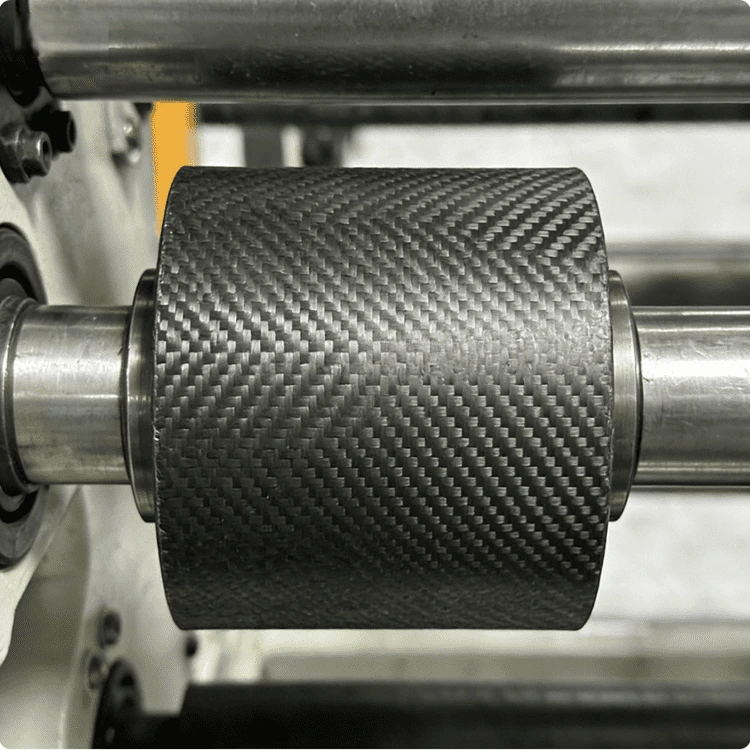
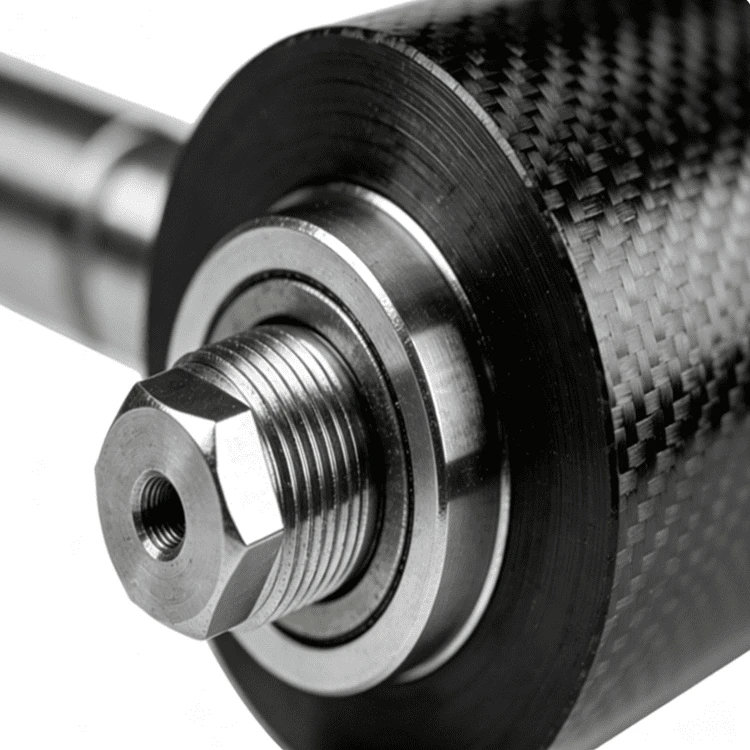
Our carbon fiber rollers combine the strength and durability of traditional materials with the lightweight, corrosion-resistant properties of advanced composites. We also offer customization, sensor integration options, and end-of-life recyclability to fit your operational needs. If you're looking to reduce downtime, lower maintenance costs, and future-proof your conveyor systems, our team is ready to partner with you. We've worked with clients across industries, from mining to e-commerce, and we're ready to help you find the right wearproof roller solution.
To learn more about our products, including our full line of wearproof rollers and related carbon fiber solutions like Carbon Fiber Round Tube, feel free to reach out to our team for a procurement consultation. We're here to answer your questions, provide technical insights, and find a solution that works for your business.
References
- Industrial Roller Market Report 2024: Global Trends and Growth Opportunities, Industry Analysis LLC.
- Carbon Fiber Composite Materials for Industrial Applications, Advanced Materials Research Journal, 2023.
- Predictive Maintenance in Conveyor Systems: A Cost-Benefit Analysis, Journal of Industrial Maintenance, 2024.
- Sustainability in Manufacturing: Circular Economy Practices for Industrial Components, Green Manufacturing Review, 2023.


