

As a Carbon Fiber Tube supplier, I've witnessed the growing demand for these high - performance materials across various industries. Carbon fiber tubes are renowned for their exceptional strength - to - weight ratio, corrosion resistance, and stiffness, making them a top choice for applications ranging from aerospace and automotive to sports equipment and robotics. One of the common challenges that our customers often face is how to connect carbon fiber tubes effectively. In this blog post, I'll delve into the key methods and best practices for connecting carbon fiber tubes.
Understanding the Basics of Carbon Fiber Tubes
Before we jump into the connection methods, it's essential to have a basic understanding of carbon fiber tubes. Carbon fiber tubes are made by layering carbon fiber sheets impregnated with resin and then curing them under high pressure and temperature. This process results in a tube that is incredibly strong but also brittle compared to traditional materials like steel or aluminum.
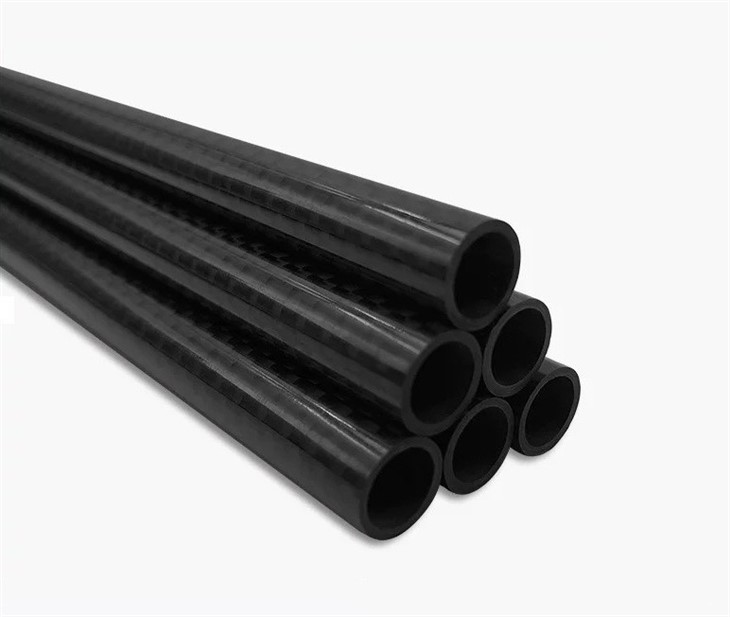
The properties of carbon fiber tubes can vary depending on factors such as the type of carbon fiber used, the fiber orientation, and the resin system. For instance, Carbon Fiber Round Tube is a popular choice due to its uniform strength distribution around the circumference, making it suitable for applications where radial loads are present.

Common Connection Methods for Carbon Fiber Tubes
1. Adhesive Bonding
Adhesive bonding is one of the most widely used methods for connecting carbon fiber tubes. This method offers several advantages, including a smooth external finish, excellent load transfer capabilities, and the ability to bond dissimilar materials.
- Surface Preparation: The first step in adhesive bonding is to prepare the surfaces of the carbon fiber tubes. This involves cleaning the surfaces to remove any dust, grease, or contaminants. Sanding the surfaces slightly can also increase the surface area for better adhesion. Solvents like acetone can be used for cleaning, but it's important to ensure that they are completely evaporated before applying the adhesive.
- Adhesive Selection: Choosing the right adhesive is crucial. Epoxy adhesives are often recommended for carbon fiber applications due to their high strength, good chemical resistance, and excellent adhesion properties. Factors such as curing time, temperature resistance, and flexibility should also be considered when selecting an adhesive.
- Assembly: Once the adhesive is applied to the prepared surfaces, the tubes are carefully aligned and clamped together. It's important to apply the right amount of pressure to ensure proper bonding and to prevent the formation of air bubbles. The adhesive should be cured according to the manufacturer's instructions, which may involve a specific temperature and time cycle.
2. Mechanical Fastening
Mechanical fastening involves using screws, bolts, or rivets to connect carbon fiber tubes. This method is relatively easy to implement and provides a high level of reliability.
- Drilling Holes: When using mechanical fasteners, holes need to be drilled in the carbon fiber tubes. It's important to use sharp drill bits and proper drilling techniques to avoid damaging the carbon fibers. Lubrication can also be used to reduce heat and friction during the drilling process.
- Fastener Selection: The choice of fasteners depends on the application requirements. Stainless steel or titanium fasteners are often preferred due to their corrosion resistance. The size and type of fasteners should be selected based on the thickness of the tubes and the expected loads.
- Assembly: After the holes are drilled, the fasteners are inserted and tightened. It's important not to overtighten the fasteners, as this can cause damage to the carbon fiber tubes. Washers can be used to distribute the load evenly and prevent the fasteners from digging into the tubes.
3. Insertion and Fitting
Insertion and fitting involve creating a male - female connection between two carbon fiber tubes. This method is often used when a simple and quick connection is required.
- Tube Preparation: The ends of the tubes need to be machined to the appropriate size and shape. The male end should have a slightly smaller diameter than the female end to ensure a snug fit.
- Assembly: The male end of one tube is inserted into the female end of the other tube. To improve the connection strength, an adhesive can be applied to the mating surfaces before insertion.
Considerations for Different Applications
The choice of connection method can vary depending on the specific application.
- Aerospace and Aviation: In aerospace applications, weight is a critical factor. Adhesive bonding is often the preferred method as it adds minimal weight to the structure. However, the adhesive must meet strict aerospace standards for strength, temperature resistance, and durability.
- Automotive: In automotive applications, mechanical fastening is commonly used for its reliability and ease of maintenance. However, adhesive bonding may also be used in areas where a smooth finish and high - strength connection are required, such as in carbon fiber body panels.
- Sports Equipment: For sports equipment like bicycles or fishing rods, insertion and fitting may be a popular choice due to its simplicity. Adhesive bonding can also be used to reinforce the connection and improve the overall strength of the equipment.
Quality Control and Testing
Regardless of the connection method used, it's important to perform quality control and testing to ensure the integrity of the connection.
- Visual Inspection: A visual inspection can be used to check for any visible defects such as cracks, voids, or improper alignment.
- Non - Destructive Testing (NDT): NDT methods such as ultrasonic testing or X - ray inspection can be used to detect internal defects in the connection.
- Destructive Testing: In some cases, destructive testing may be required to determine the strength of the connection. This involves subjecting the connected tubes to a specific load until failure.
Conclusion
Connecting carbon fiber tubes requires a careful understanding of the properties of carbon fiber, the available connection methods, and the specific requirements of the application. As a Carbon Fiber Tube supplier, we are committed to providing our customers with high - quality products and technical support. Whether you need Carbon Fiber Tube for a simple DIY project or Wind Turbine Fins for a large - scale industrial application, we have the expertise and resources to meet your needs.
If you are interested in purchasing carbon fiber tubes or have any questions about connecting them, please feel free to contact us. We look forward to discussing your project and providing you with the best solutions.
References
- "Carbon Fiber Composites: Design and Manufacturing" by David Hull and Timothy W. Clyne
- "Adhesive Bonding: Science, Technology and Applications" by A. V. Pocius
- Industry standards and guidelines related to carbon fiber tube manufacturing and connection