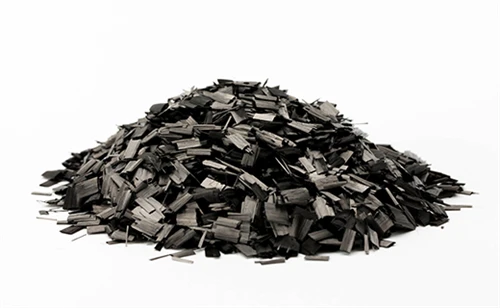


Can chopped carbon fibers be used in the textile industry? This is a question that has been gaining significant attention in recent years. As a supplier of chopped carbon fibers, I have witnessed firsthand the growing interest in their potential applications in the textile sector. In this blog post, I will explore the feasibility of using chopped carbon fibers in the textile industry, discuss their advantages and challenges, and provide some insights into the future prospects of this emerging field.
Properties of Chopped Carbon Fibers
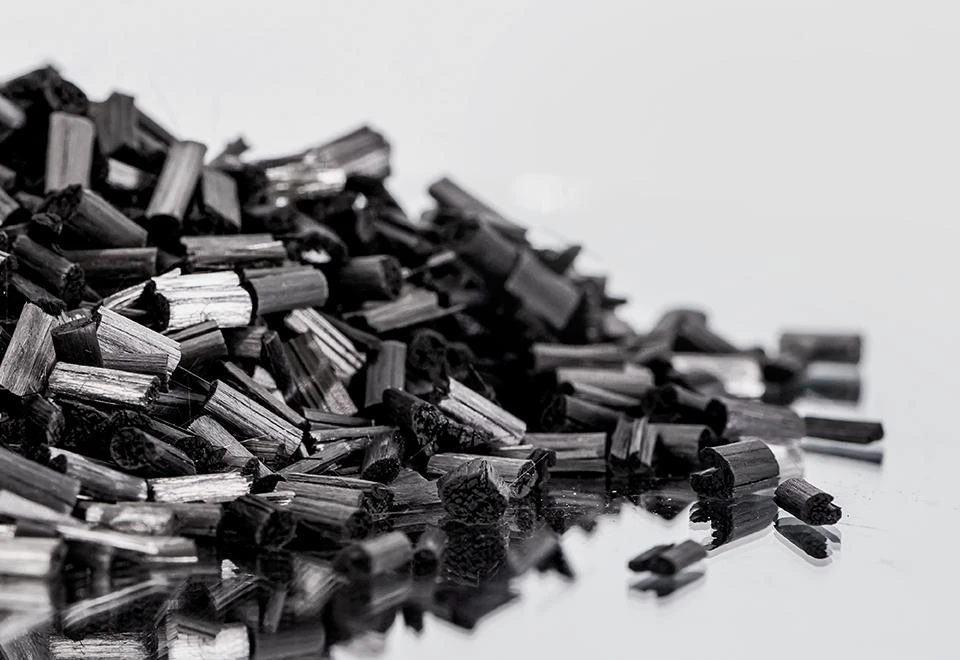
Before delving into their applications in the textile industry, it is essential to understand the properties of chopped carbon fibers. Carbon fibers are known for their high strength, stiffness, and low weight, making them an attractive material for various industries. Chopped carbon fibers are short lengths of carbon fibers, typically ranging from a few millimeters to a few centimeters. These short fibers retain many of the desirable properties of continuous carbon fibers, such as high strength-to-weight ratio, excellent chemical resistance, and good thermal stability.
One of the key advantages of chopped carbon fibers is their ease of handling and processing. Unlike continuous carbon fibers, which require specialized equipment and techniques for weaving or molding, chopped carbon fibers can be easily mixed with other materials, such as polymers or resins, to form composite materials. This makes them suitable for a wide range of manufacturing processes, including injection molding, compression molding, and extrusion.
Applications of Chopped Carbon Fibers in the Textile Industry
The textile industry has traditionally relied on natural and synthetic fibers, such as cotton, wool, polyester, and nylon, for the production of fabrics and textiles. However, the demand for high-performance materials with enhanced properties has led to the exploration of alternative fibers, including chopped carbon fibers. Here are some potential applications of chopped carbon fibers in the textile industry:
Reinforcement of Textile Fabrics
Chopped carbon fibers can be used to reinforce textile fabrics, improving their strength, stiffness, and durability. By adding chopped carbon fibers to the fabric matrix, the resulting composite material can withstand higher loads and stresses, making it suitable for applications where high performance is required, such as aerospace, automotive, and sports equipment. For example, carbon fiber-reinforced fabrics can be used to manufacture lightweight and strong components for aircraft wings, car bodies, and bicycle frames.
Development of Smart Textiles
Smart textiles are fabrics that can sense and respond to environmental stimuli, such as temperature, humidity, and pressure. Chopped carbon fibers can be incorporated into smart textiles to provide electrical conductivity, enabling the development of sensors, actuators, and other electronic devices. For instance, carbon fiber-based sensors can be used to monitor the health and performance of athletes, detect structural damage in buildings and bridges, and control the temperature and humidity of indoor environments.
Production of Protective Textiles
Chopped carbon fibers can also be used to produce protective textiles that offer resistance to heat, fire, and chemicals. Carbon fiber-reinforced fabrics can provide excellent thermal insulation and fire resistance, making them suitable for applications in the military, firefighting, and industrial sectors. Additionally, carbon fibers have high chemical resistance, which can protect the wearer from exposure to hazardous substances.
Advantages of Using Chopped Carbon Fibers in the Textile Industry
The use of chopped carbon fibers in the textile industry offers several advantages over traditional fibers. Here are some of the key benefits:
High Strength and Stiffness
Chopped carbon fibers have a high strength-to-weight ratio, which means they can provide significant strength and stiffness while maintaining a low weight. This makes them ideal for applications where weight reduction is critical, such as aerospace and automotive industries. By using chopped carbon fibers in textile fabrics, manufacturers can produce lightweight and strong materials that can improve the performance and efficiency of their products.
Excellent Chemical Resistance
Carbon fibers are highly resistant to chemicals, including acids, bases, and solvents. This makes them suitable for applications where exposure to harsh chemicals is common, such as the chemical and pharmaceutical industries. By incorporating chopped carbon fibers into textile fabrics, manufacturers can produce materials that are resistant to chemical corrosion and degradation, ensuring the longevity and reliability of their products.
Good Thermal Stability
Chopped carbon fibers have excellent thermal stability, which means they can withstand high temperatures without losing their strength or stiffness. This makes them suitable for applications where high-temperature resistance is required, such as the aerospace and automotive industries. By using chopped carbon fibers in textile fabrics, manufacturers can produce materials that can withstand extreme temperatures and maintain their performance under challenging conditions.
Design Flexibility
Chopped carbon fibers can be easily mixed with other materials, such as polymers or resins, to form composite materials. This allows manufacturers to customize the properties of the resulting material to meet the specific requirements of their applications. For example, by adjusting the ratio of chopped carbon fibers to other materials, manufacturers can control the strength, stiffness, and weight of the composite material. Additionally, chopped carbon fibers can be used in a variety of manufacturing processes, including injection molding, compression molding, and extrusion, providing manufacturers with greater design flexibility.
Challenges of Using Chopped Carbon Fibers in the Textile Industry
While the use of chopped carbon fibers in the textile industry offers several advantages, there are also some challenges that need to be addressed. Here are some of the key challenges:
High Cost
Carbon fibers are relatively expensive compared to traditional fibers, such as cotton, wool, and polyester. This can make the use of chopped carbon fibers in the textile industry cost-prohibitive for some applications. However, as the demand for carbon fibers increases and the production technology improves, the cost of carbon fibers is expected to decrease, making them more accessible to the textile industry.
Difficulties in Processing
Chopped carbon fibers can be difficult to process due to their high stiffness and low flexibility. This can make it challenging to incorporate them into textile fabrics using traditional manufacturing processes, such as weaving and knitting. Additionally, the high stiffness of chopped carbon fibers can cause damage to the processing equipment, increasing the maintenance and operating costs.
Environmental Concerns
The production of carbon fibers requires a significant amount of energy and resources, and it can also generate a large amount of waste. This can have a negative impact on the environment, especially if the waste is not properly disposed of. Additionally, the use of carbon fibers in the textile industry can increase the energy consumption and carbon footprint of the manufacturing process.
Future Prospects of Using Chopped Carbon Fibers in the Textile Industry
Despite the challenges, the future prospects of using chopped carbon fibers in the textile industry are promising. The growing demand for high-performance materials with enhanced properties, such as strength, stiffness, and durability, is driving the development of new applications for chopped carbon fibers in the textile sector. Additionally, the increasing focus on sustainability and environmental protection is leading to the exploration of new ways to reduce the environmental impact of carbon fiber production and use.
One of the key trends in the textile industry is the development of smart textiles, which can sense and respond to environmental stimuli. Chopped carbon fibers can play a crucial role in the development of smart textiles by providing electrical conductivity and other functional properties. For example, carbon fiber-based sensors can be used to monitor the health and performance of athletes, detect structural damage in buildings and bridges, and control the temperature and humidity of indoor environments.
Another trend in the textile industry is the use of sustainable materials and manufacturing processes. Chopped carbon fibers can be produced from recycled carbon fibers, which can reduce the environmental impact of carbon fiber production. Additionally, the use of chopped carbon fibers in the textile industry can reduce the weight of the products, which can lead to lower energy consumption and carbon emissions during transportation.
Conclusion
In conclusion, chopped carbon fibers have the potential to be used in the textile industry to produce high-performance materials with enhanced properties. The use of chopped carbon fibers in the textile industry offers several advantages, including high strength and stiffness, excellent chemical resistance, good thermal stability, and design flexibility. However, there are also some challenges that need to be addressed, such as high cost, difficulties in processing, and environmental concerns.
As a supplier of chopped carbon fibers, we are committed to providing high-quality products and solutions to our customers in the textile industry. We offer a wide range of chopped carbon fibers, including Large Supply Carbon Fibers T700 and Widely Used Chopped Carbon Fibers, which are suitable for various applications in the textile sector. If you are interested in learning more about our products or discussing potential applications, please visit our website Chopped Carbon Fibers or contact us for a detailed consultation. We look forward to working with you to explore the possibilities of using chopped carbon fibers in the textile industry.
References
- "Carbon Fibers: Properties, Production, and Applications" by John W. Weeton, David M. Peters, and K. L. Thomas.
- "Textile Composites: Design, Manufacturing, and Applications" by S. K. Nayak and S. K. Ghosh.
- "Smart Textiles and Wearable Technology" by Helen Storey and Tony Dunne.