

As a reputable supplier of various kinds of diameter sleeves, I've had numerous opportunities to explore the intricate relationship between different diameter sleeves and lubricants. This exploration is not only academically fascinating but also holds significant practical value in industries such as automotive, aerospace, and manufacturing. In this blog, I aim to delve into how various diameter sleeves interact with lubricants, shedding light on this crucial aspect of mechanical engineering.
Understanding Different Kinds of Diameter Sleeves
Before discussing the interaction with lubricants, it's essential to understand the different types of diameter sleeves. At our company, we offer a wide range of sleeves, each designed to meet specific engineering requirements.
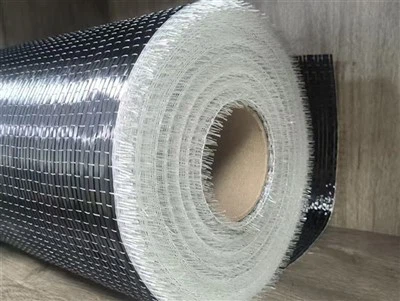
The High-Strength Carbon Fiber Sleeve is known for its exceptional strength-to-weight ratio. Made from carbon fibers, these sleeves are lightweight yet incredibly strong, making them ideal for applications where weight is a critical factor, such as in aerospace components. The carbon fibers' structure provides excellent resistance to wear and tear, but it also has unique surface characteristics that affect its interaction with lubricants.
On the other hand, the Woven Tape offers a different set of properties. Woven tapes are created by interlacing fibers in a specific pattern, which can be customized to achieve different levels of flexibility and strength. The woven structure creates a porous surface, which can have a significant impact on how lubricants are absorbed and retained.
The Aramid-Carbon Hybrid Fabric - High-Temperature & Impact-Resistant Composite Material combines the best of both worlds. Aramid fibers provide high impact resistance, while carbon fibers contribute to strength and stiffness. This hybrid material is often used in high-stress environments, where the interaction with lubricants becomes even more critical to ensure smooth operation and long-term durability.
The Prepreg Woven Fabric and Carbon Fiber Prepreg Fabric are pre-impregnated with resin, which gives them enhanced mechanical properties. The resin not only bonds the fibers together but also affects the surface chemistry of the sleeves, influencing how they interact with lubricants.
Factors Affecting the Interaction between Diameter Sleeves and Lubricants
Several factors influence how different diameter sleeves interact with lubricants. Understanding these factors is crucial for selecting the right lubricant and sleeve combination for a particular application.
Surface Roughness
The surface roughness of the sleeve plays a vital role in lubricant interaction. A rougher surface can provide more surface area for the lubricant to adhere to, which can enhance lubrication at low speeds. However, at high speeds, excessive roughness can lead to increased friction and wear. For example, the porous surface of the woven tape may initially absorb more lubricant due to its roughness, but if the lubricant is not able to flow freely, it can cause drag and inefficiencies.
Material Compatibility
The chemical compatibility between the sleeve material and the lubricant is also essential. Some lubricants may react with the fibers or resin in the sleeve, leading to degradation of the material over time. For instance, certain solvents in lubricants may dissolve the resin in prepreg fabrics, compromising their structural integrity. Therefore, it's crucial to select a lubricant that is compatible with the specific sleeve material.
Operating Conditions
The operating conditions, such as temperature, pressure, and speed, can significantly affect the interaction between sleeves and lubricants. At high temperatures, lubricants may thin out, reducing their effectiveness in providing a protective film. Conversely, at low temperatures, some lubricants may become too viscous, making it difficult for them to flow and lubricate the sleeve properly. For example, in aerospace applications, where components may experience extreme temperature variations, selecting a lubricant that can perform well under these conditions is crucial.
How Different Sleeve Materials Interact with Lubricants
Let's take a closer look at how each type of sleeve material interacts with lubricants.
High-Strength Carbon Fiber Sleeve
The smooth surface of high-strength carbon fiber sleeves allows lubricants to spread evenly, forming a thin film that reduces friction. However, carbon fibers are also hydrophobic, meaning they repel water. This property can be both an advantage and a disadvantage. On one hand, it prevents water from corroding the fibers and the lubricant from being washed away. On the other hand, it may be challenging to apply water-based lubricants to carbon fiber sleeves. Synthetic lubricants are often preferred for carbon fiber sleeves due to their excellent lubricating properties and compatibility with the hydrophobic surface.
Woven Tape
As mentioned earlier, the woven structure of the tape creates a porous surface. Lubricants can be absorbed into these pores, providing long-term lubrication. However, the large surface area also means that the lubricant may evaporate more quickly, especially at high temperatures. To address this issue, lubricants with higher viscosity or additives that reduce evaporation can be used. Additionally, the interlacing fibers in the woven tape can trap debris, which can contaminate the lubricant over time. Regular maintenance and lubricant replacement are necessary to ensure optimal performance.
Aramid-Carbon Hybrid Fabric
The combination of aramid and carbon fibers in the hybrid fabric results in a complex surface chemistry. The aramid fibers are more hydrophilic than carbon fibers, which means they have a greater affinity for water. This can influence the choice of lubricant, as water-based lubricants may be more effective in certain applications. However, the high-temperature and impact-resistant properties of the hybrid fabric also require a lubricant that can withstand these conditions. Specialized high-temperature lubricants with anti-wear additives are often used for aramid-carbon hybrid fabric sleeves.
Prepreg Woven Fabric and Carbon Fiber Prepreg Fabric
The resin in prepreg fabrics can have a significant impact on lubricant interaction. The resin forms a protective layer on the surface of the fibers, which can prevent the lubricant from directly contacting the fibers. This can be beneficial in some cases, as it reduces the risk of chemical reactions between the lubricant and the fibers. However, it also means that the lubricant needs to be able to penetrate the resin layer to provide effective lubrication. Lubricants with good wetting properties and the ability to dissolve or disperse in the resin are preferred for prepreg fabrics.
Importance of Proper Lubrication for Diameter Sleeves
Proper lubrication is essential for the optimal performance and longevity of diameter sleeves. A well-lubricated sleeve can reduce friction, wear, and heat generation, which can extend the service life of the component and improve its efficiency. For example, in automotive engines, where there are numerous moving parts with diameter sleeves, proper lubrication can reduce fuel consumption and emissions.
In high-stress applications, such as aerospace and manufacturing, lubrication is even more critical. The extreme conditions in these industries can put a lot of pressure on the sleeves, and without proper lubrication, they can fail prematurely. By selecting the right lubricant and ensuring proper application and maintenance, we can significantly improve the reliability and performance of diameter sleeve components.
Choosing the Right Lubricant and Sleeve Combination
Selecting the right lubricant and sleeve combination requires a thorough understanding of the application requirements, sleeve material, and lubricant properties. Here are some general guidelines to help you make the right choice:


- Understand the Application: Consider the operating conditions, such as temperature, pressure, speed, and load. These factors will determine the type of lubricant and sleeve material that can withstand the demands of the application.
- Match the Lubricant to the Sleeve Material: Ensure that the lubricant is chemically compatible with the sleeve material to prevent degradation and ensure long-term performance.
- Consider Lubricant Properties: Look for lubricants with the right viscosity, viscosity index, and anti-wear additives to provide optimal lubrication under the specific operating conditions.
- Evaluate Lubricant Application and Maintenance: Consider the ease of application and maintenance requirements of the lubricant. Some lubricants may require special equipment or procedures for application, while others may need more frequent replacement.
Conclusion
The interaction between different kinds of diameter sleeves and lubricants is a complex yet crucial aspect of mechanical engineering. As a supplier of various diameter sleeves, I understand the importance of providing high-quality products and offering guidance on the right lubricant and sleeve combination for different applications.
If you're looking for reliable diameter sleeves or need advice on lubrication, High-Strength Carbon Fiber Sleeve, and other related products, please don't hesitate to reach out. We are here to help you find the best solutions for your engineering needs. Contact us today to start a discussion about your requirements and how we can assist you.
References
- Smith, J. (2019). Handbook of Lubrication and Tribology. CRC Press.
- Jones, R. M. (2018). Mechanics of Composite Materials. Taylor & Francis.
- Davis, J. R. (2017). Handbook of Carbon Fiber Composites. ASM International.