

Hey there, cycling enthusiasts! As a supplier of lightweight bicycle frames, I often get asked about the thermal expansion of these frames. So, let's dive right into it and figure out what thermal expansion in a lightweight bicycle frame is all about.
First off, what is thermal expansion? Well, simply put, it's the tendency of matter to change in volume in response to a change in temperature. When the temperature goes up, most materials expand, and when it goes down, they contract. This is a basic principle of physics that applies to almost everything around us, including our beloved bicycle frames.
Now, when it comes to lightweight bicycle frames, the materials used play a crucial role in how they respond to temperature changes. Most lightweight frames are made from materials like carbon fiber, aluminum, or titanium. Each of these materials has its own unique thermal expansion properties.
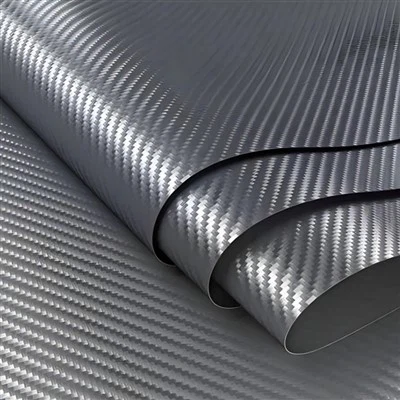
Carbon fiber is a popular choice for lightweight bicycle frames because it's strong, stiff, and lightweight. But how does it handle thermal expansion? Carbon fiber composites have a relatively low coefficient of thermal expansion (CTE). This means that they don't expand or contract as much as some other materials when the temperature changes. This is a huge advantage for cyclists because it helps maintain the frame's shape and performance in different weather conditions. Whether you're riding on a scorching hot day or a cold winter morning, a carbon fiber frame is less likely to warp or lose its integrity due to thermal expansion.
On the other hand, aluminum frames are also quite common. Aluminum has a higher CTE compared to carbon fiber. This means that it expands and contracts more significantly with temperature changes. While this isn't necessarily a deal - breaker, it's something to keep in mind. For example, if you live in an area with extreme temperature variations, an aluminum frame might experience more stress due to thermal expansion and contraction. Over time, this could potentially lead to issues like loose joints or a decrease in the frame's overall durability.
Titanium is another material used for lightweight bicycle frames. Titanium has a CTE that falls somewhere between carbon fiber and aluminum. It's known for its excellent strength - to - weight ratio and corrosion resistance. Like carbon fiber, it can handle temperature changes relatively well, but it does expand and contract more than carbon fiber.
So, why does thermal expansion matter for a bicycle frame? Well, for starters, it can affect the fit and performance of the bike. If a frame expands or contracts too much, it can cause the components to become misaligned. This can lead to problems like a rough ride, poor shifting, or even safety issues. For example, if the frame expands and the chainstays get longer, it can affect the tension of the chain, making it difficult to shift gears smoothly.
Another reason thermal expansion is important is for the long - term durability of the frame. Repeated expansion and contraction can put stress on the frame's joints and materials. Over time, this can lead to fatigue and potential failure. As a supplier, we want to make sure that our frames can withstand the test of time and different environmental conditions.
Now, let's talk about how we, as a lightweight bicycle frame supplier, deal with thermal expansion. We use high - quality materials and advanced manufacturing techniques to minimize the effects of thermal expansion. For carbon fiber frames, we carefully select the carbon fiber weave and resin system to ensure optimal performance. We also conduct extensive testing in different temperature environments to make sure that our frames meet the highest standards.
In addition to our bicycle frames, we also supply carbon - fiber composite materials for other sports equipment. For example, if you're into baseball, check out our Baseball Stick. These sticks are made from high - quality carbon fiber, which not only provides excellent strength but also has good thermal stability.


Surfers out there might be interested in our Durable Pro Surfboards. The carbon - fiber composite construction makes them lightweight, strong, and able to handle different water temperatures without significant expansion or contraction.
And for those who are into cruising, our Various Styles Of Cruise Ship Hulls are made with carbon - fiber composites that can withstand the temperature changes in different sea conditions.
If you're in the market for a lightweight bicycle frame or any of our other carbon - fiber composite products, we'd love to hear from you. Whether you're a professional cyclist, a weekend warrior, or a sports equipment manufacturer, we can provide you with high - quality products that meet your needs. We're always happy to discuss your requirements and find the best solutions for you. So, don't hesitate to reach out and start a conversation about your next purchase.
In conclusion, thermal expansion is an important factor to consider when choosing a lightweight bicycle frame. By understanding how different materials respond to temperature changes, you can make an informed decision and choose a frame that will perform well in all conditions. And as a supplier, we're committed to providing you with the best products and support.
References:
- "Materials Science and Engineering: An Introduction" by William D. Callister Jr. and David G. Rethwisch
- "Bicycle Design and Technology" by Hugh A. Paterson III