



What is the difference between carbon fabric and cotton fabric?
As a supplier of carbon fabric, I often encounter inquiries from customers who are curious about the differences between carbon fabric and cotton fabric. In this blog post, I will delve into the distinct characteristics of these two types of fabrics, highlighting their unique properties, applications, and advantages.
1. Composition and Structure
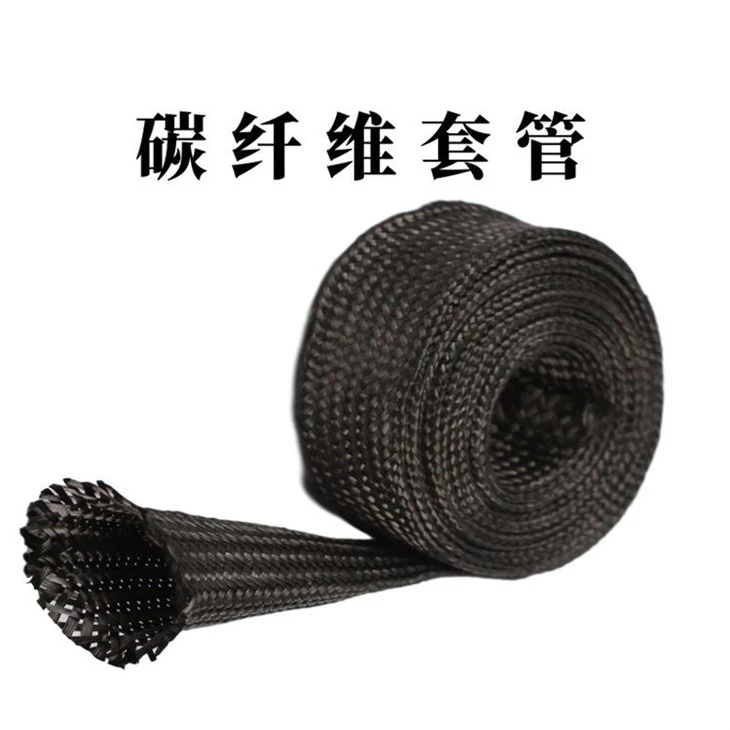
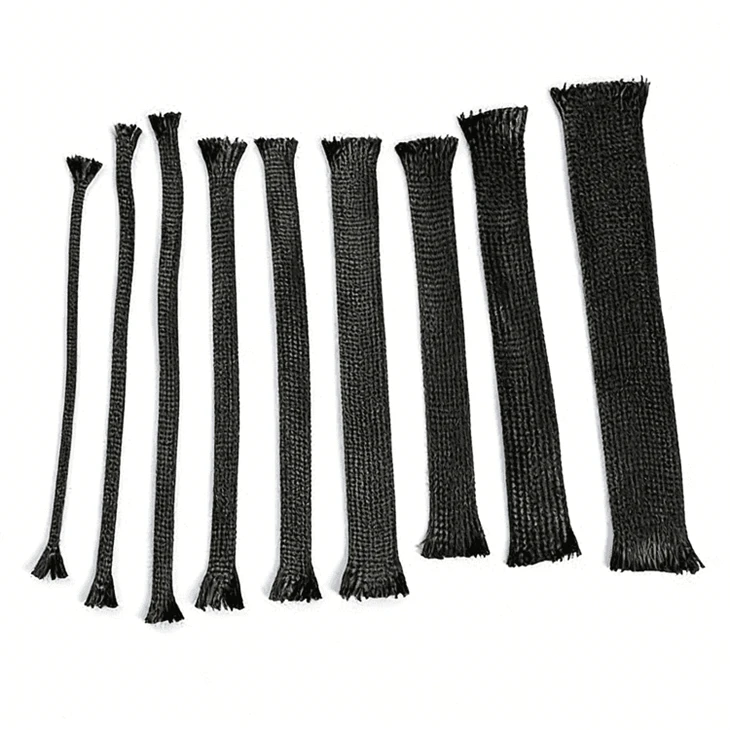
Carbon fabric is primarily composed of carbon fibers, which are extremely thin and strong filaments made from carbon atoms. These fibers are typically arranged in a specific pattern, such as a woven or unidirectional structure, to provide high strength and stiffness. The carbon fibers are usually embedded in a resin matrix, which helps to bind them together and enhance their performance.
On the other hand, cotton fabric is made from the fibers of the cotton plant. Cotton fibers are natural and soft, with a hollow structure that gives them excellent breathability. The fibers are typically spun into yarns, which are then woven or knitted to create the fabric.
2. Physical Properties
- Strength and Stiffness: Carbon fabric is renowned for its exceptional strength and stiffness. It has a high tensile strength, meaning it can withstand large amounts of tension without breaking. This makes it ideal for applications where high strength is required, such as aerospace, automotive, and sports equipment. In contrast, cotton fabric is relatively weak and flexible. While it can provide some level of support, it is not suitable for applications that require high strength.
- Weight: Carbon fabric is significantly lighter than cotton fabric. This is because carbon fibers have a low density, which allows them to provide high strength while keeping the weight down. The lightweight nature of carbon fabric makes it ideal for applications where weight reduction is crucial, such as in the aerospace and automotive industries. Cotton fabric, on the other hand, is heavier due to the natural fibers and the structure of the fabric.
- Durability: Carbon fabric is highly durable and resistant to wear and tear. It can withstand harsh environmental conditions, such as high temperatures, chemicals, and abrasion. This makes it suitable for long - term use in demanding applications. Cotton fabric, while durable in normal use, is more prone to damage from factors like friction, washing, and sunlight over time.
3. Thermal and Electrical Properties
- Thermal Conductivity: Carbon fabric has relatively high thermal conductivity. It can transfer heat quickly, which is beneficial in applications where heat dissipation is required. For example, in electronic devices, carbon fabric can be used to help cool components. Cotton fabric, on the other hand, is a poor conductor of heat. It tends to trap heat, which is why it is often used in warm clothing.
- Electrical Conductivity: Carbon fabric is electrically conductive. This property makes it useful in applications such as electromagnetic shielding and antistatic materials. Cotton fabric is an insulator and does not conduct electricity.
4. Aesthetic and Comfort
- Appearance: Carbon fabric has a distinct, high - tech appearance. The woven pattern of carbon fibers gives it a unique, sleek look that is often associated with high - performance products. Cotton fabric, on the other hand, has a more natural and soft appearance. It comes in a wide range of colors and textures, making it suitable for various fashion and home decor applications.
- Comfort: Cotton fabric is well - known for its comfort. It is soft against the skin, breathable, and absorbent, which makes it ideal for clothing. Carbon fabric, while not typically used for direct contact with the skin, can be made into comfortable products when combined with other materials. However, on its own, it may not be as comfortable as cotton due to its stiffness.
5. Applications
- Carbon Fabric Applications:
- Aerospace: Carbon fabric is widely used in the aerospace industry for manufacturing aircraft components such as wings, fuselages, and tail sections. Its high strength - to - weight ratio helps to reduce the overall weight of the aircraft, improving fuel efficiency and performance.
- Automotive: In the automotive industry, carbon fabric is used for body panels, interior components, and performance parts. It can enhance the vehicle's strength, reduce weight, and improve handling.
- Sports Equipment: Carbon fabric is a popular choice for sports equipment such as tennis rackets, golf clubs, and bicycles. Its high strength and stiffness allow for better performance and control. You can find high - quality carbon fabric products like Carbon Fiber Unidirectional Reinforcement Fabric on our website, which are suitable for these applications.
- Cotton Fabric Applications:
- Clothing: Cotton is the most widely used fabric for clothing. It is used to make a variety of garments, including t - shirts, jeans, dresses, and underwear. Its comfort and breathability make it a popular choice for everyday wear.
- Home Textiles: Cotton fabric is also used in home textiles such as bedding, curtains, and upholstery. It adds a soft and cozy touch to the home environment.
6. Cost
Carbon fabric is generally more expensive than cotton fabric. The production process of carbon fibers is complex and requires specialized equipment and techniques, which drives up the cost. Additionally, the raw materials used in carbon fabric production are more costly. Cotton fabric, on the other hand, is relatively inexpensive due to the abundance of cotton as a natural resource and the simplicity of the production process.
7. Environmental Impact
- Carbon Fabric: The production of carbon fabric has a relatively high environmental impact. The manufacturing process consumes a large amount of energy and produces greenhouse gas emissions. However, carbon fabric products are often long - lasting, which can offset some of the environmental impact over time.
- Cotton Fabric: While cotton is a natural fiber, its production also has environmental implications. Cotton farming requires large amounts of water, pesticides, and fertilizers, which can have a negative impact on the environment. However, there are sustainable cotton farming practices that can reduce these impacts.
In conclusion, carbon fabric and cotton fabric have distinct differences in terms of composition, physical properties, applications, cost, and environmental impact. Each fabric has its own unique advantages and is suitable for different purposes. As a carbon fabric supplier, we offer a wide range of high - quality carbon fabric products, including Costomize Prepreg Carbon Fiber Fabric and Kinds Of Diameter Sleeve. If you are interested in purchasing carbon fabric for your specific application, we invite you to contact us for further discussions and procurement negotiations.
References
- "Textile Science and Technology" by E. A. Mazur.
- "Advanced Composite Materials" by K. Chawla.
- Industry reports on carbon fiber and cotton fabric production and applications.


