

Hey there, fellow marine enthusiasts and industry folks! I'm a supplier of Plain Or Twill Carbon Fabric, and today we're diving deep into a question that's been buzzing around: Can plain carbon fabric be used for marine applications?
The Basics of Plain Carbon Fabric
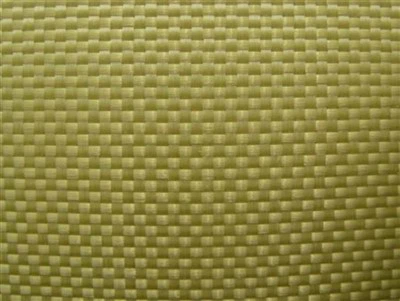
First off, let's get a handle on what plain carbon fabric is. It's a type of carbon fiber material where the fibers are woven in a simple, criss - cross pattern. This gives it a uniform look and a certain set of properties. Compared to other types of carbon fabrics like twill, the plain weave has a more consistent structure.
Carbon fiber itself is known for being incredibly strong and lightweight. It's made up of thin strands of carbon atoms bonded together in a crystal - like structure. These fibers are then woven into fabric, which can be used in a variety of applications.


Properties That Matter in Marine Applications
When it comes to using any material in the marine environment, there are a few key properties we need to consider.
Strength and Durability
The ocean is a harsh place. Waves, currents, and impacts from debris can put a lot of stress on any structure. Plain carbon fabric has excellent strength - to - weight ratio. It can withstand high levels of tension and compression, which is crucial for things like boat hulls, masts, and other structural components. For example, a boat hull made from plain carbon fabric can resist the forces exerted by the water during high - speed maneuvers or in rough seas.
Corrosion Resistance
Saltwater is extremely corrosive. Metals can rust and degrade over time in this environment, but carbon fiber is highly resistant to corrosion. Plain carbon fabric doesn't react with saltwater, so it won't weaken or deteriorate due to the chemical effects of the ocean. This means that marine structures made from plain carbon fabric can have a longer lifespan compared to those made from traditional materials.
Lightweight
Weight is a big deal in the marine industry. A lighter boat can move faster, use less fuel, and be more maneuverable. Plain carbon fabric is much lighter than many other materials used in boat building, such as steel or aluminum. This weight advantage can lead to significant improvements in performance and efficiency.
Advantages of Using Plain Carbon Fabric in Marine Applications
Design Flexibility
One of the great things about plain carbon fabric is its design flexibility. It can be molded into various shapes, allowing for custom - designed marine structures. Whether you're building a sleek racing yacht or a sturdy fishing boat, plain carbon fabric can be shaped to meet your specific needs.
High - Performance
In high - performance marine applications, such as racing boats, plain carbon fabric is a top choice. Its high strength and low weight contribute to better speed, agility, and overall performance. The fabric can help reduce the overall weight of the boat, which in turn can increase its acceleration and top speed.
Cost - Effectiveness in the Long Run
While the initial cost of plain carbon fabric may be higher than some traditional materials, its long - term cost - effectiveness is undeniable. Due to its durability and corrosion resistance, it requires less maintenance and replacement over time. This can save money in the long run, especially for commercial marine operations.
Challenges and Considerations
Handling and Installation
Working with plain carbon fabric can be a bit tricky. It requires specialized skills and equipment for cutting, shaping, and bonding. Improper handling can lead to damage to the fabric, which can compromise its performance. So, it's important to have experienced professionals involved in the installation process.
Cost
As mentioned earlier, the upfront cost of plain carbon fabric is relatively high. This can be a barrier for some small - scale boat builders or hobbyists. However, as technology advances and production methods become more efficient, the cost is gradually coming down.
Compatibility with Other Materials
In some marine applications, plain carbon fabric may need to be used in combination with other materials. Ensuring compatibility between the carbon fabric and other materials is crucial. For example, if it's being used in a composite structure with fiberglass, proper bonding and adhesion need to be achieved to prevent delamination.
Other Types of Carbon Fabrics for Marine Use
While plain carbon fabric has its advantages, there are other types of carbon fabrics that are also used in marine applications.
Prepreg Woven Fabric
Prepreg woven fabric is pre - impregnated with resin, which makes it easier to work with in some cases. It can provide a more consistent and high - quality finish. In marine applications, prepreg woven fabric can be used for high - end boat components where precision and performance are of utmost importance.
Carbon Fiber Axial Fabric (Multiaxial Fabric)
Carbon fiber axial fabric, also known as multiaxial fabric, has fibers oriented in multiple directions. This gives it enhanced strength in different directions, which can be beneficial in marine structures that experience complex loads. It can be used in areas where the stress is not just in one direction, such as in the corners of a boat hull.
Real - World Examples of Plain Carbon Fabric in Marine Applications
There are many examples of plain carbon fabric being used successfully in the marine industry. Some high - end racing yachts have hulls and masts made from plain carbon fabric. These boats are able to achieve incredible speeds and performance due to the lightweight and strong nature of the material.
In the commercial fishing industry, some boats are starting to use plain carbon fabric for their superstructures. This helps reduce the weight of the boat, which in turn can increase fuel efficiency and carrying capacity.
Conclusion and Call to Action
So, can plain carbon fabric be used for marine applications? Absolutely! It offers a range of benefits in terms of strength, durability, lightweight, and design flexibility. While there are some challenges to overcome, the advantages make it a viable option for many marine projects.
If you're in the market for high - quality Plain Or Twill Carbon Fabric for your marine application, I'd love to have a chat. Whether you're a boat builder, a marine engineer, or an enthusiast looking to take your project to the next level, we can work together to find the right solution for you. Don't hesitate to reach out and start the conversation about your carbon fabric needs.
References
- "Carbon Fiber Reinforced Polymers in Marine Applications", Journal of Marine Science and Technology
- "Advanced Materials for Boat Building", Marine Engineering Magazine
- "The Properties and Applications of Carbon Fiber Fabrics", Composite Materials Research Journal